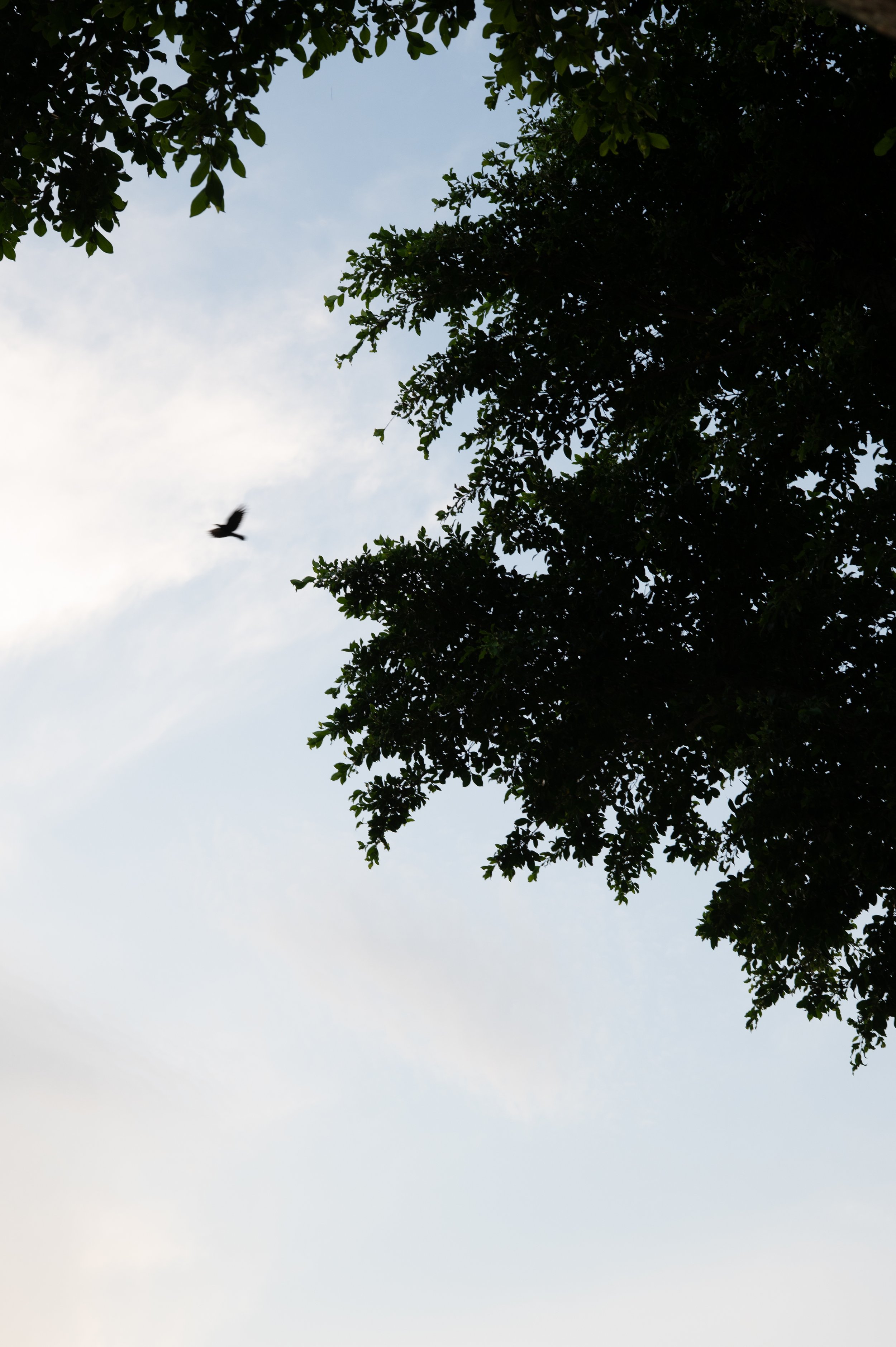
Banyan
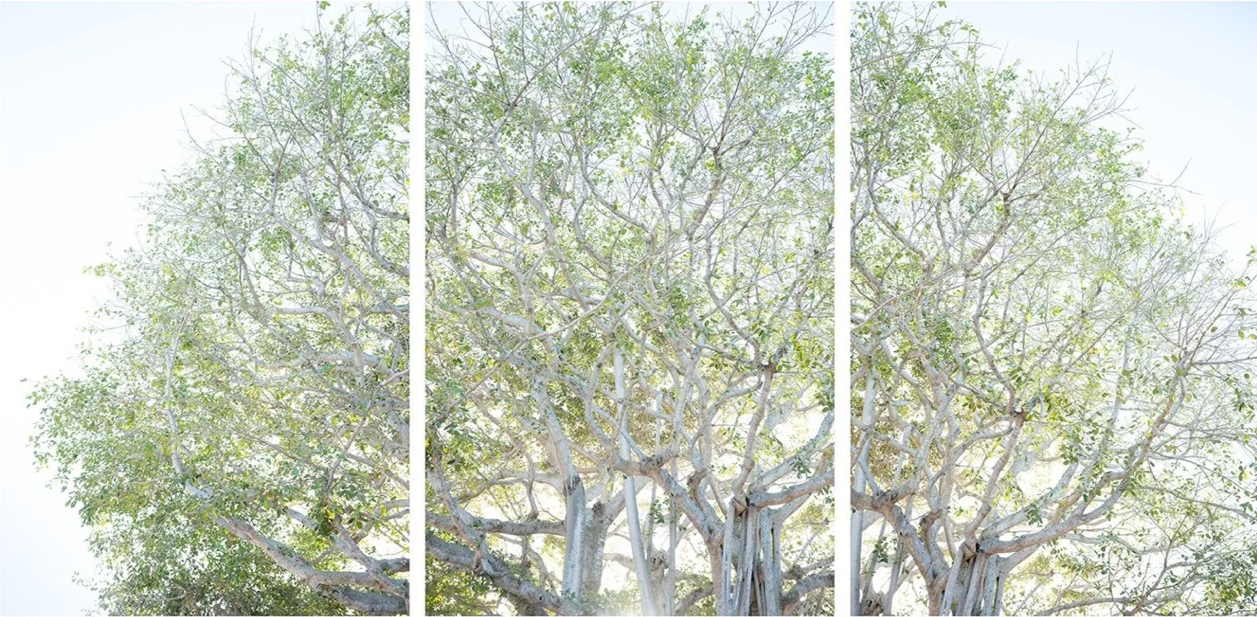
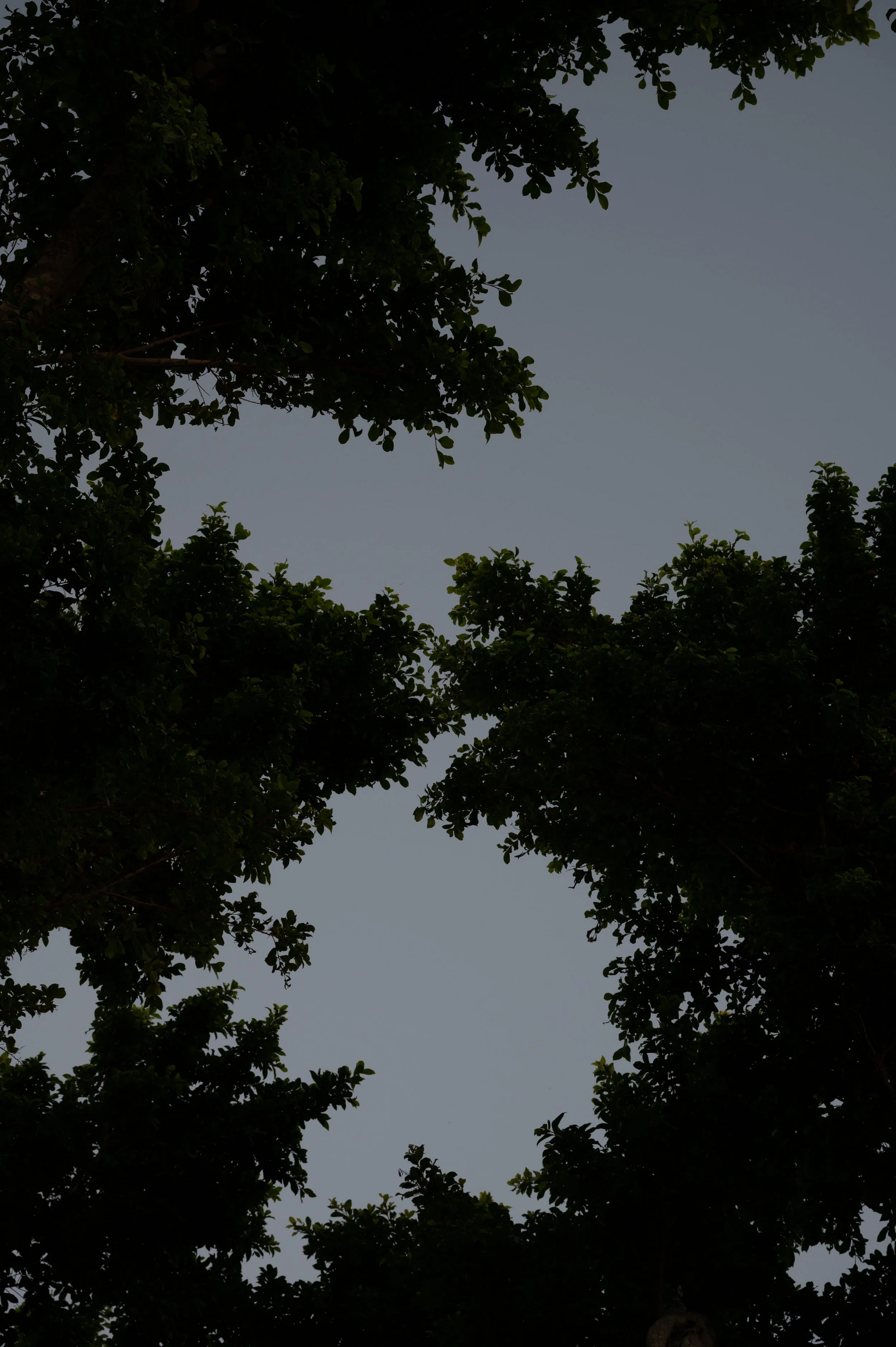
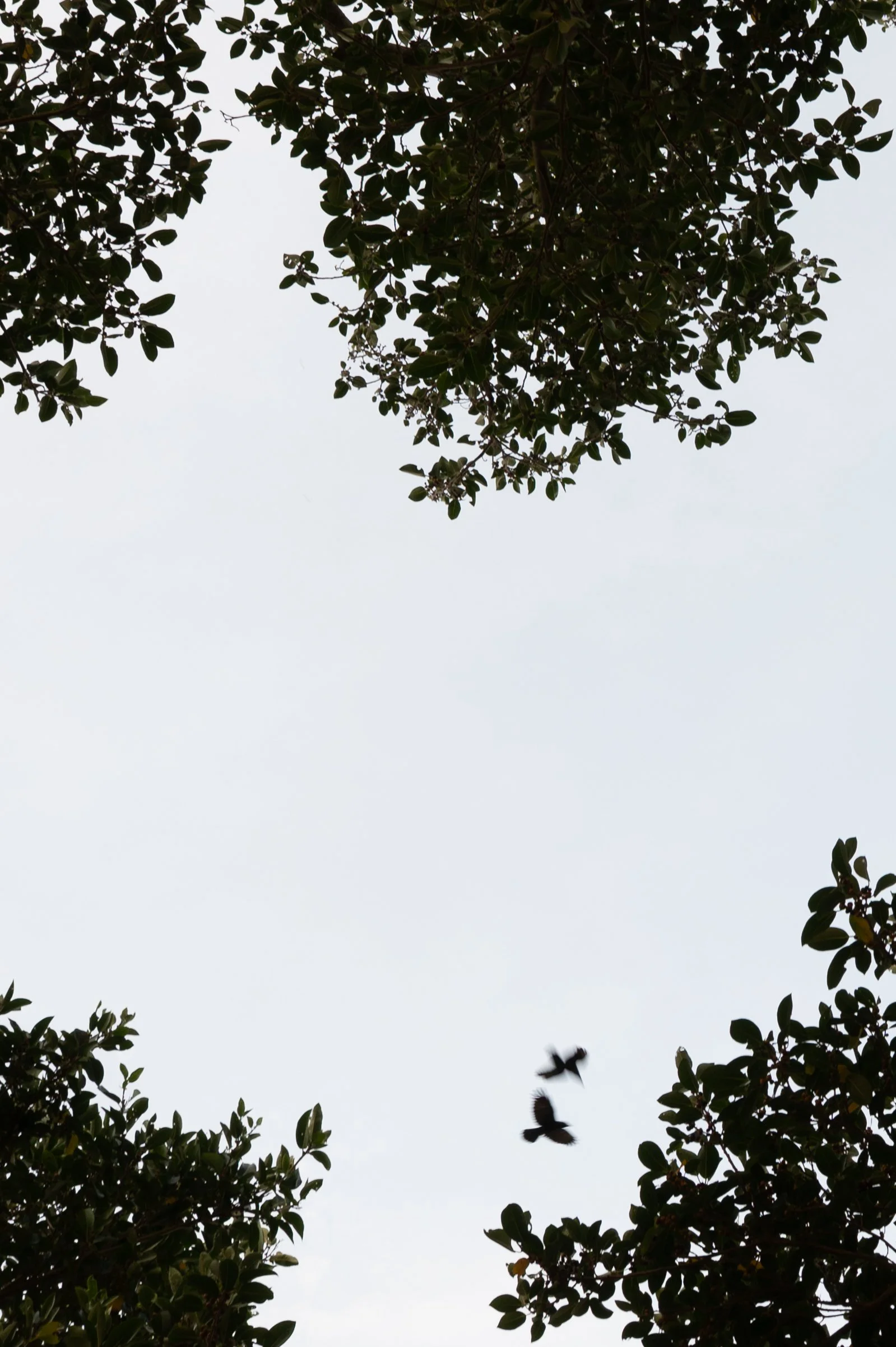
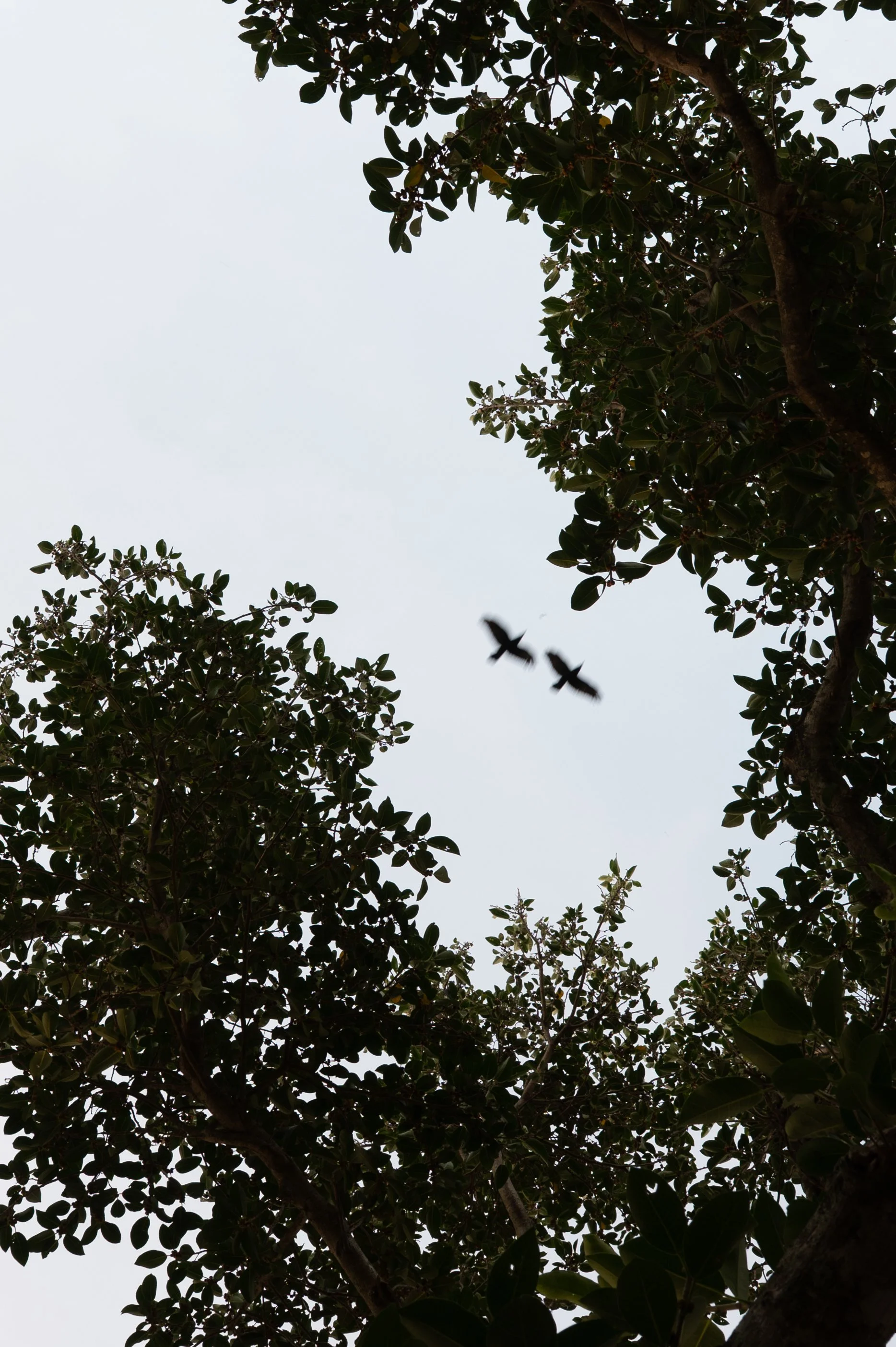
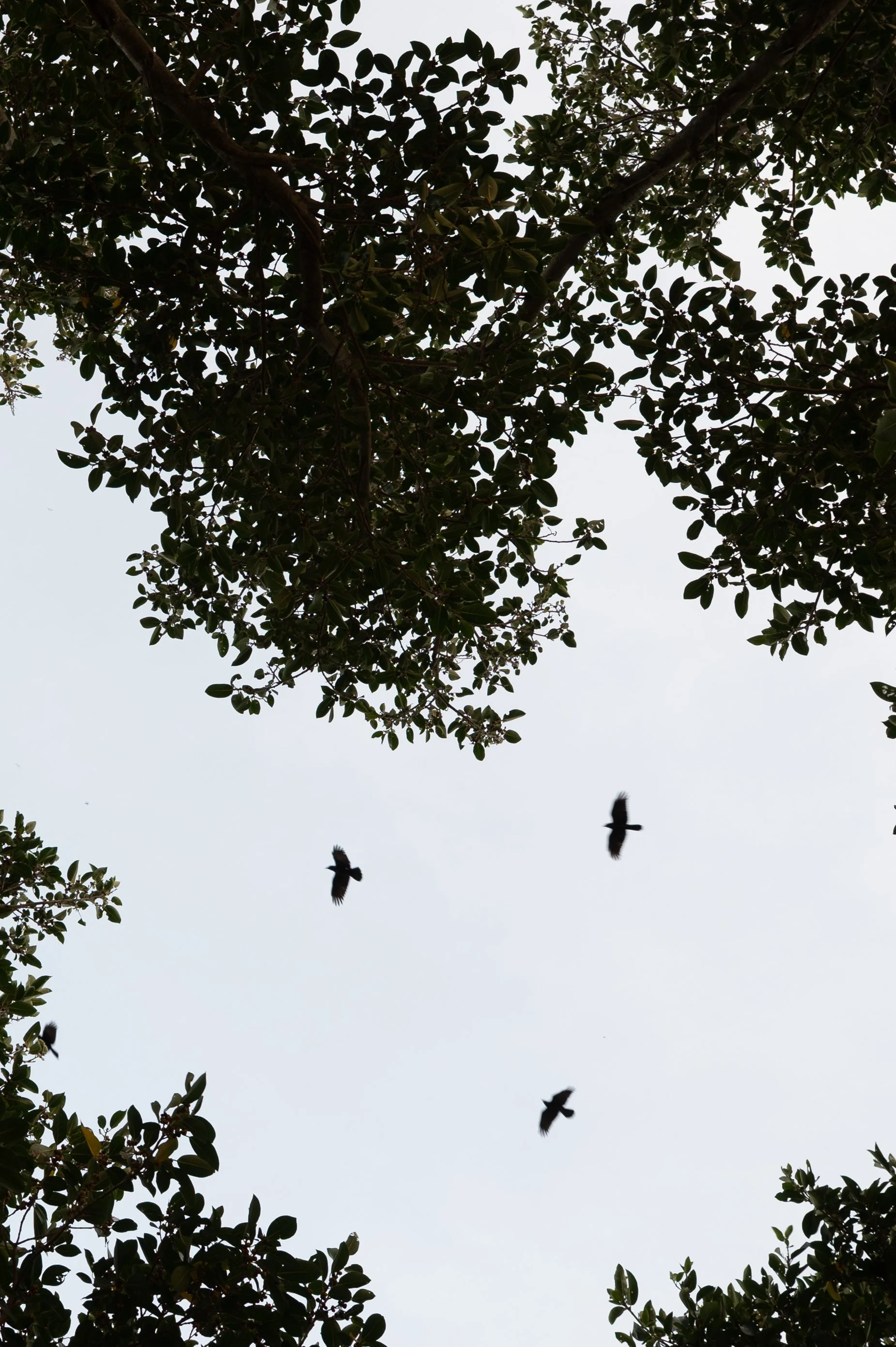
The Banyan trees of South Florida possess an otherworldly majesty — ancient, sprawling presences that seem to exist outside of ordinary time. I am drawn to their romanticism and their mystery: the way their branches weave and recurve upon themselves, creating labyrinths of form, and the negative space of sky that appears between them like a river.
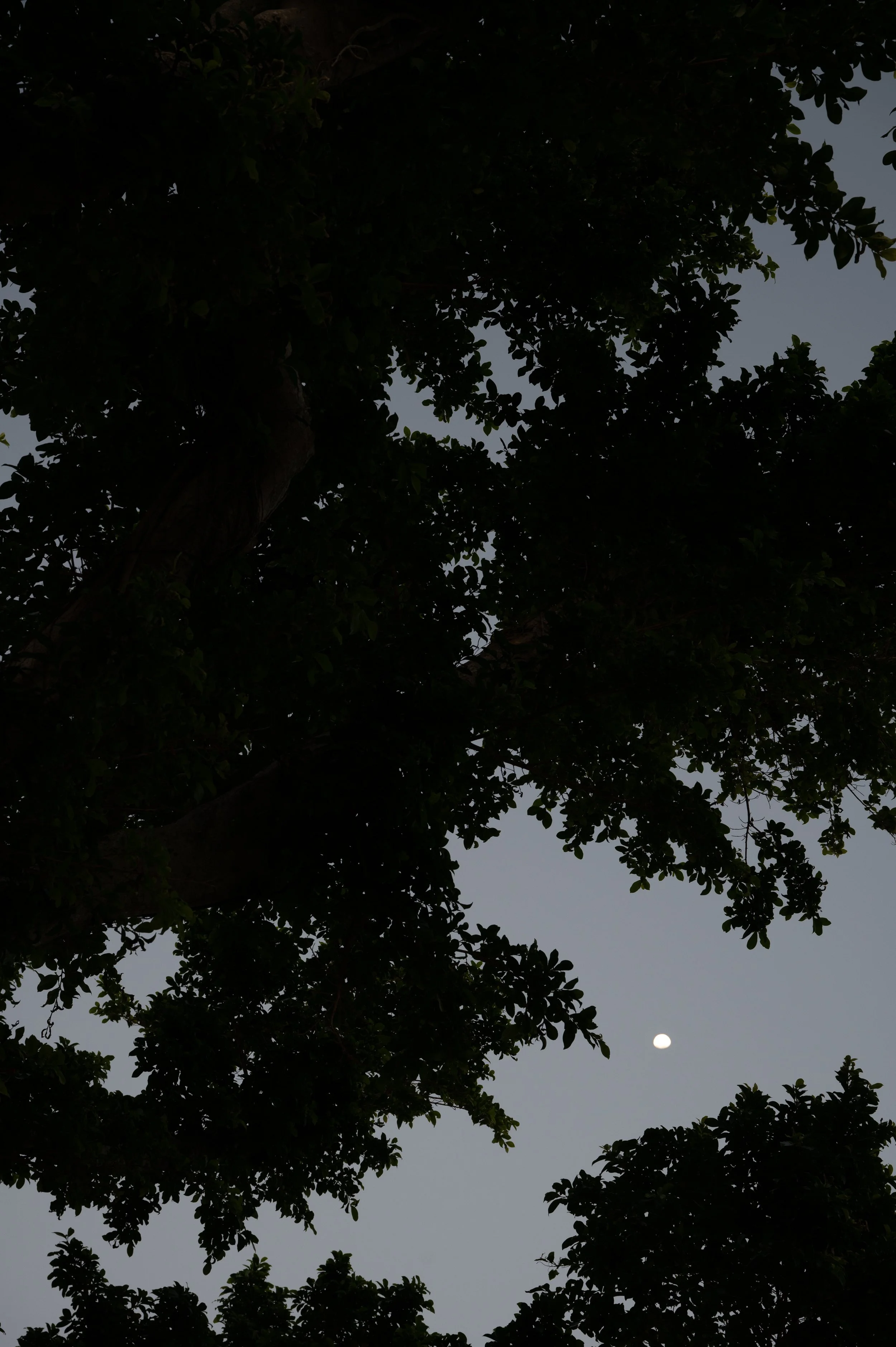
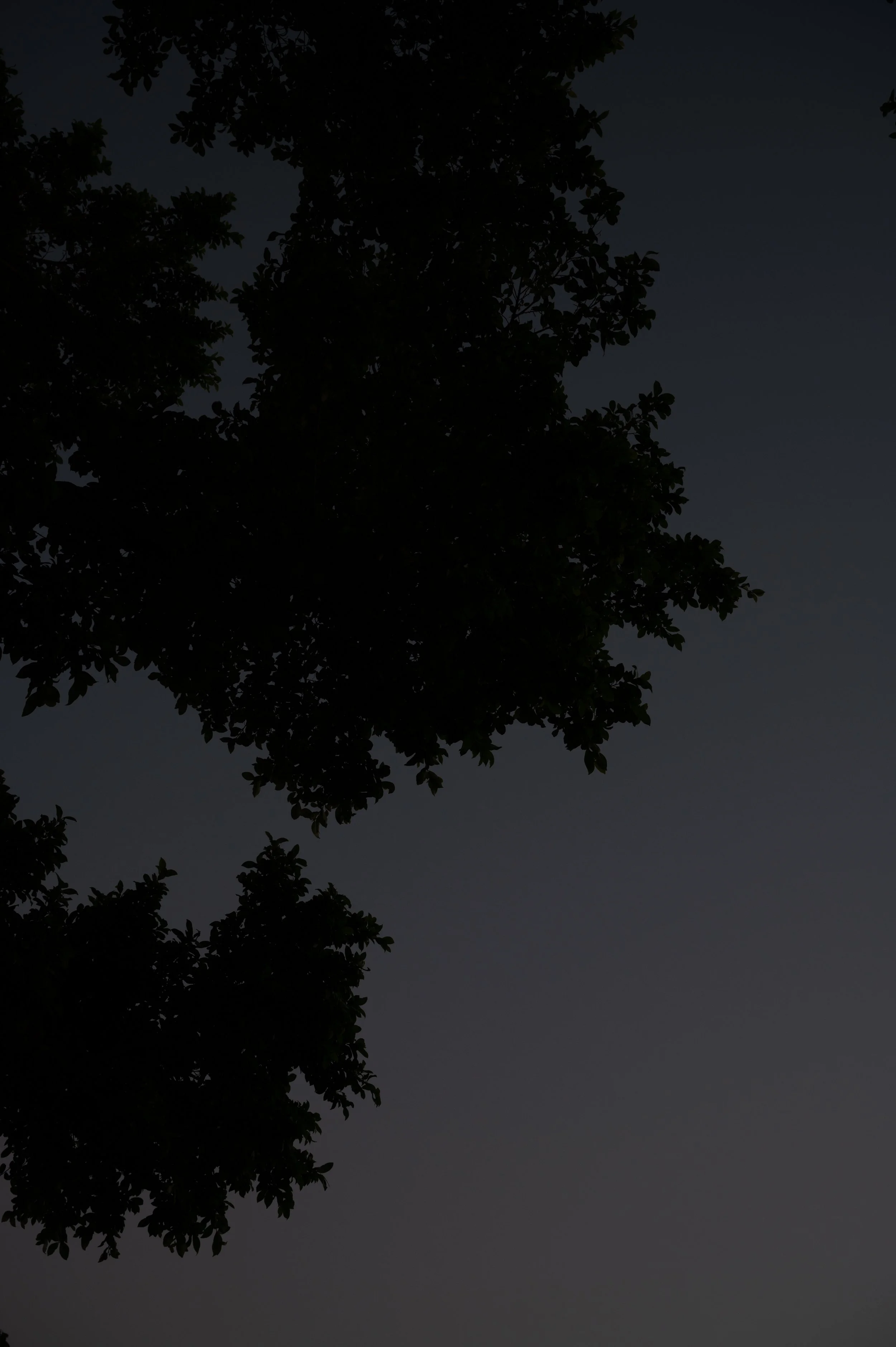
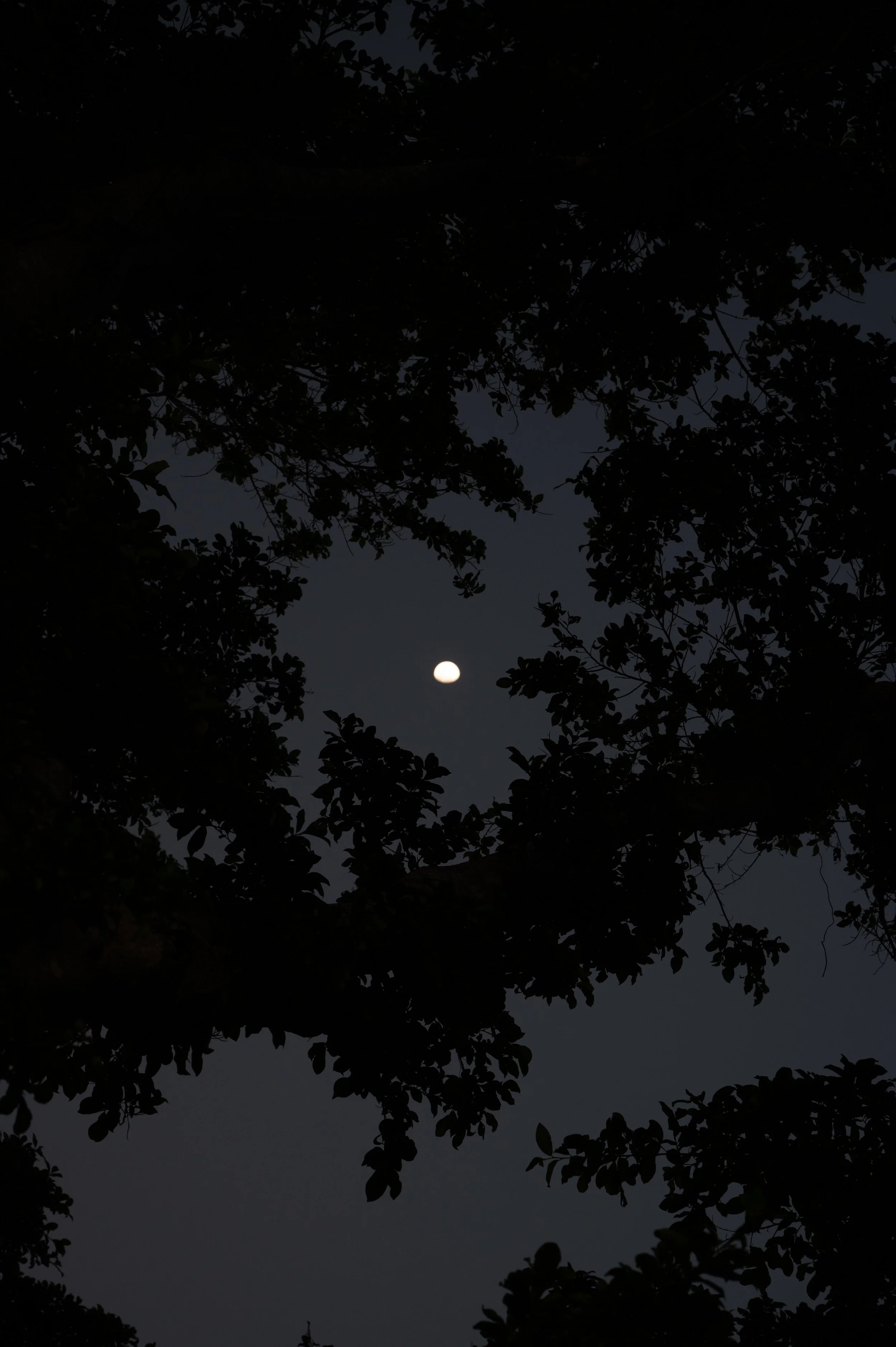
I began photographing them in earnest in the winter of 2023. What compelled me was not merely their scale but their interiority — the sense that to move among them is to enter their world. At night, this quality deepens. The moon becomes luminous against the inky velvet of the sky, and the leaves, appear deep green, almost black.
The Banyan originates in India, where it was declared the national tree upon independence — a choice that carried the full weight of cultural memory. The word Banyan itself is derived from Sanskrit, applied both to the tree and to the merchants who gathered beneath its canopy to conduct business. In Hindu tradition it is understood as an embodiment of the Divine Creator: immortal, ever-expanding, its aerial roots descending to become new trunks, new beginnings from a single source. Sacred across multiple traditions of the Indian subcontinent, it has sheltered sages, saints, and village gatherings.
I think of this when I photograph these trees. There is something in the Banyan’s structure — its refusal of a single trunk, its multiplication outward, its blurring of the line between root and branch — that resists easy reading. These are not trees that resolve. They accumulate.